Natural Pest Control

Updated: Jan 26, 2025

Natural pest control methods are becoming essential in sustainable farming practices. As environmental concerns grow and the demand for chemical-free produce rises, farmers are increasingly turning to eco-friendly solutions to manage pests effectively. This blog post explores the most effective natural pest control methods that can be easily integrated into sustainable farming systems.
"Psst...see those links? They're Amazon affiliate inks! If you click on 'em and purchase something, I may get a tiny commission."
Understanding the Importance of Natural Pest Control
Natural pest control reduces reliance on chemical pesticides, which can harm beneficial insects and contaminate soil and water. It also enhances the health of the farming ecosystem. By using natural methods, farmers can maintain biodiversity, improve soil quality, and promote long-term sustainability.
Research shows that implementing these practices can lead to a 20-30% increase in crop yields over time. Moreover, consumers are increasingly choosing organic products. This shift creates market opportunities for farmers who embrace sustainable methods.
Biological Control
Biological control is one of the oldest methods of pest management, using natural enemies to control pest populations. This includes predators, parasites, and pathogens that specifically target pests without harming other species.
For example, introducing ladybugs into gardens can significantly reduce aphid populations, as they can consume up to 50 aphids per day during their lifecycle. Similarly, using parasitic wasps can help control caterpillar populations, while beneficial nematodes effectively target soil-dwelling pests like root weevils.

Cultural Practices
Cultural practices play a significant role in natural pest control by altering farming techniques to create environments that are less welcoming to pests.
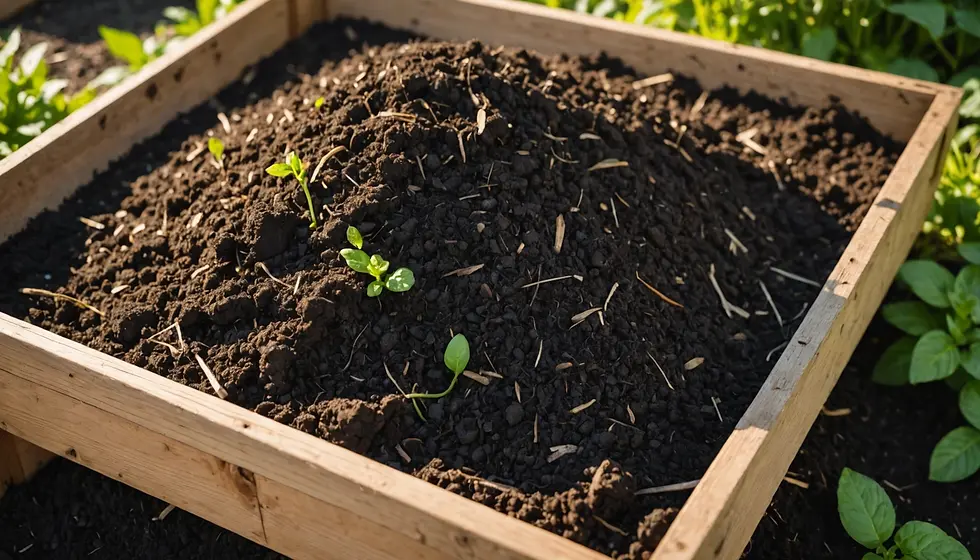
Crop rotation confuses pests that thrive on specific crops, disrupting their life cycle. Moreover, maintaining nutrient-rich soil not only promotes plant resilience but can also reduce pest infestations by up to 50%.
Mechanical Control
Mechanical control methods use physical barriers and traps to protect crops from pests. Items like row covers, nets, and fences can effectively keep pests at bay.
For instance, floating row covers shield seedlings from insects while still letting sunlight and moisture in. These traps have been shown to decrease pest populations by as much as 70% in some crops.

Natural Repellents
Many natural substances serve as effective repellents against pests, including plant extracts and essential oils.
Neem oil, is particularly effective as it has both antifungal and insecticidal properties. Research indicates that applying neem oil can reduce pest populations by 60% or more. Furthermore, garlic and chili pepper sprays can deter various insects due to their strong odors, offering a safe alternative that protects beneficial organisms while supporting ecosystem health.

Companion Planting
Companion planting involves growing different plant species together for mutual benefits. Specific plants can repel pests, attract beneficial insects, or provide nutrients to neighboring crops.
For example, planting marigolds alongside vegetables can help deter nematodes and aphids. Basil is known to repel certain flies and mosquitoes when planted near tomatoes, enhancing overall crop health. This method not only improves biodiversity but also optimizes growth conditions.

Integrated Pest Management (IPM)
Integrated Pest Management (IPM) is a holistic approach that combines several pest control strategies to manage pest populations effectively. IPM focuses on understanding pest life cycles, monitoring activity, and making informed decisions based on established action thresholds.
Farmers involved in IPM may use biological controls, mechanical barriers, and cultural practices while minimizing chemical pesticide use. This comprehensive approach addresses the root causes of pest issues and reduces environmental impacts, allowing for a sustainable farming future.
Encouraging Natural Predators
Encouraging natural predators—including birds, bats, and beneficial insects—can significantly manage pest populations without chemicals. Providing habitats for these natural allies, such as birdhouses or insect hotels, promotes healthier farm ecosystems.
Planting diverse flower species can effectively attract pollinators and predatory insects. A balanced ecosystem, where natural predators thrive, helps maintain healthy pest populations and reduces the need for chemical interventions.
Embracing Natural Solutions for a Sustainable Future
Natural pest control methods are essential for sustainable farming, helping farmers mitigate pest issues while promoting ecological health. Implementing these techniques can enhance biodiversity, benefiting crops and the environment.
By adopting strategies such as biological control, cultural practices, and companion planting, farmers can cultivate healthier produce and contribute positively to the planet. As the demand for organic and chemical-free products continues to grow, integrating natural pest control is becoming not just a choice but a necessity in modern agriculture.
Farmers are encouraged to explore these methods and choose combinations that best suit their crops and local ecosystems. This commitment creates a more sustainable agricultural future for everyone.


Comments